
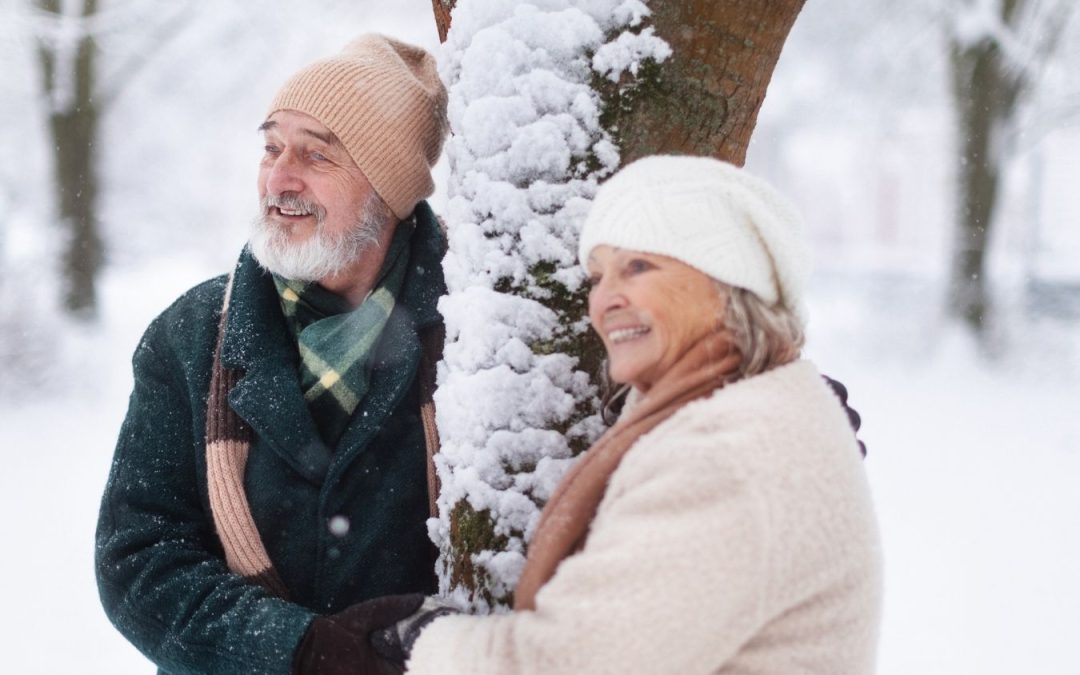
Winter has a quieter rhythm. The days are shorter, the air is colder, and home becomes the center of everything. For seniors, that sense of home matters more than ever. But winter also has a way of revealing risks that aren’t always obvious, especially to families who are doing their best to help a loved one stay safe and independent.
After years of working with older adults and their families, one thing is clear: most winter emergencies don’t happen suddenly. They start with small, unnoticed issues that quietly grow. The good news is that with awareness, planning, and a little support, many winter risks can be reduced or avoided altogether.
Why Winter Requires a Different Kind of Awareness
As we age, our bodies change in subtle but important ways. Temperature regulation isn’t as strong, balance can be less steady, and recovery from illness or injury often takes longer. Add winter weather into the mix ice, bulky clothing, reduced daylight, and everyday activities can become more challenging.
Winter safety isn’t about limiting independence. It’s about supporting it wisely.
Creating a Safer, Warmer Home Environment
Warmth Isn’t a Luxury—It’s a Safety Measure
Many older adults are practical and cost-conscious, sometimes keeping their homes cooler than is ideal. But even mild indoor cold can place stress on the body. Muscles stiffen, circulation slows, and the risk of illness increases.
A comfortably warm home, layered clothing, and soft blankets in sitting areas all help support physical well-being. Drafts around windows and doors should be addressed, and heating systems checked regularly. These are often simple fixes, but they make a meaningful difference.
During a FREE In-Home Safety Assessment, our nurses frequently identify temperature or heating concerns that families didn’t realize could impact health.
Heating Safety Matters More in Winter
Fireplaces, furnaces, and space heaters work overtime in colder months. While they bring comfort, they also require attention. Space heaters should always have clear space around them, and any fuel-burning appliance needs proper ventilation.
Smoke and carbon monoxide detectors should be working and placed where they can actually protect the home. Carbon monoxide exposure is especially dangerous because symptoms can feel vague at first, fatigue, dizziness, confusion, and may be mistaken for something else.
Preventing Falls Inside the Home
Winter falls don’t just happen outdoors. Wet floors, extra layers of clothing, poor lighting, and loose rugs all increase risk indoors.
Take a thoughtful look at:
- Entryways where snow or rain might be tracked in
- Bathrooms without non-slip surfaces
- Hallways or stairs with dim lighting
- Furniture placement that narrows walking paths
These small details often go unnoticed until a fall occurs. Catching them early is one of the most effective ways to protect independence.
Staying Well Through the Winter Months
Cold weather can affect appetite, hydration, and energy levels. Seniors may drink less water without realizing it and move less due to weather or fear of falling.
Encouraging warm beverages, nourishing meals, and gentle daily movement helps maintain strength and immune health. Paying attention to early signs of illness, fatigue, confusion, changes in appetite is especially important during winter.
Outdoor Safety: Knowing When to Be Cautious
Dressing for Protection, Not Just Comfort
When seniors do go outside, clothing should protect against cold while allowing safe movement. Well-fitting shoes with good traction are essential. Hands, feet, ears, and heads should always be covered, and layers should allow for easy temperature adjustment.
If weather conditions are icy or unpredictable, staying indoors is often the safest choice. Independence includes knowing when to ask for help.
Ice and Snow: A Serious Fall Risk
Falls can be life-changing for older adults, and winter conditions increase that risk significantly. Walkways and steps should be cleared and treated for traction. Mobility aids should be appropriate for winter use, and outdoor activity limited during poor conditions.
One of the most loving choices a family can make is removing the pressure for a senior to “manage on their own” when conditions aren’t safe.
Recognizing Cold-Related Warning Signs
Cold affects seniors differently. They may not shiver or complain right away. Watch for changes like unusual tiredness, confusion, slow movement, or clumsiness. These can be signs the body is struggling to stay warm.
Trust your instincts. If something feels off, it usually is.
Emotional Safety Is Just as Important When It Comes to Winter Safety for Seniors
Winter can feel isolating. Fewer outings, less sunlight, and long stretches at home can affect mood and motivation. Regular check-ins, shared meals, and meaningful conversations matter more than ever during this season.
Safety isn’t just physical, it’s emotional and social, too.
A Simple Step That Can Make a Big Difference
Winter safety doesn’t require perfection. It requires attention, care, and sometimes an outside perspective.
At Your Home Team Care, we offer a FREE In-Home Safety Assessment conducted by a Registered Nurse. It’s a calm, supportive visit designed to identify potential risks, answer questions, and offer practical guidance, especially as winter conditions set in.
Families often tell us this assessment helps them feel more confident and less anxious about their loved one’s safety at home. If you’re caring for an aging loved one or if you’re a senior wanting reassurance, now is the right time to act.
📞 Call Your Home Team Care at 865-332-5000
✔️ Schedule your FREE In-Home Safety Assessment by an RN
✔️ Get personalized, compassionate guidance
✔️ Reduce winter risks before they turn into emergencies
Because peace of mind is one of the most important gifts we can offer, especially in winter.